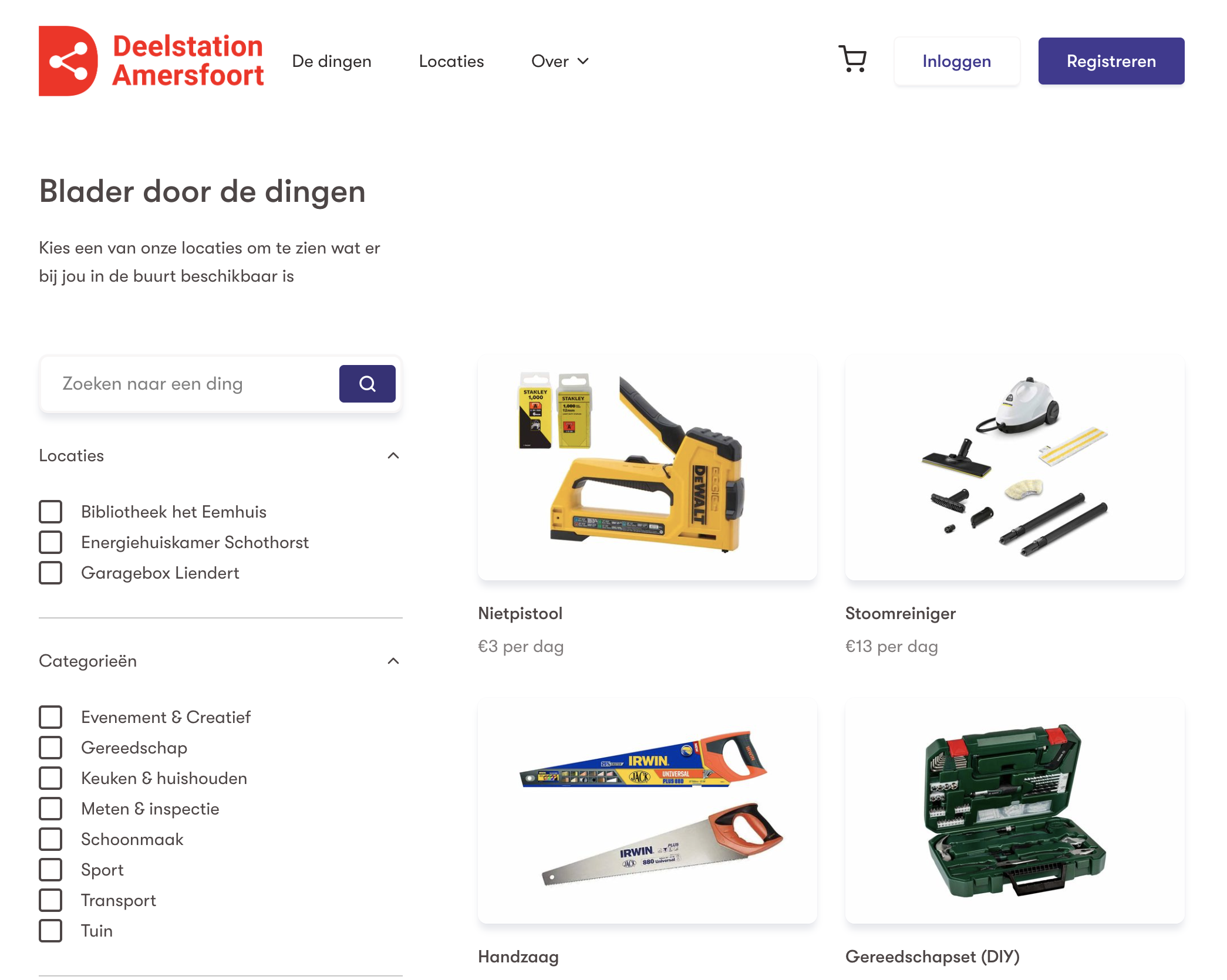
Library of Things built custom internal software to run its London lending locations, growing from 8 to 21 in my time at the business, but in order to make the widest impact, we wanted to grow more quickly. After winning a round of the competitive Innovate UK Smart grant, we set out to transform the internally-used tools into a licensable SaaS platform with global reach, giving other community rental networks the digital infrastructure to operate.
The software had been purpose-built for our own operations and only drew on our requirements, such as card payments, self-service collection and return, and centralised multi-location management. To license it elsewhere, we needed to understand what was genuinely universal and what needed to be rearchitected. At the start of our 18-month grant window we signed with a pilot partner: Benthyg, a lending network in Wales.
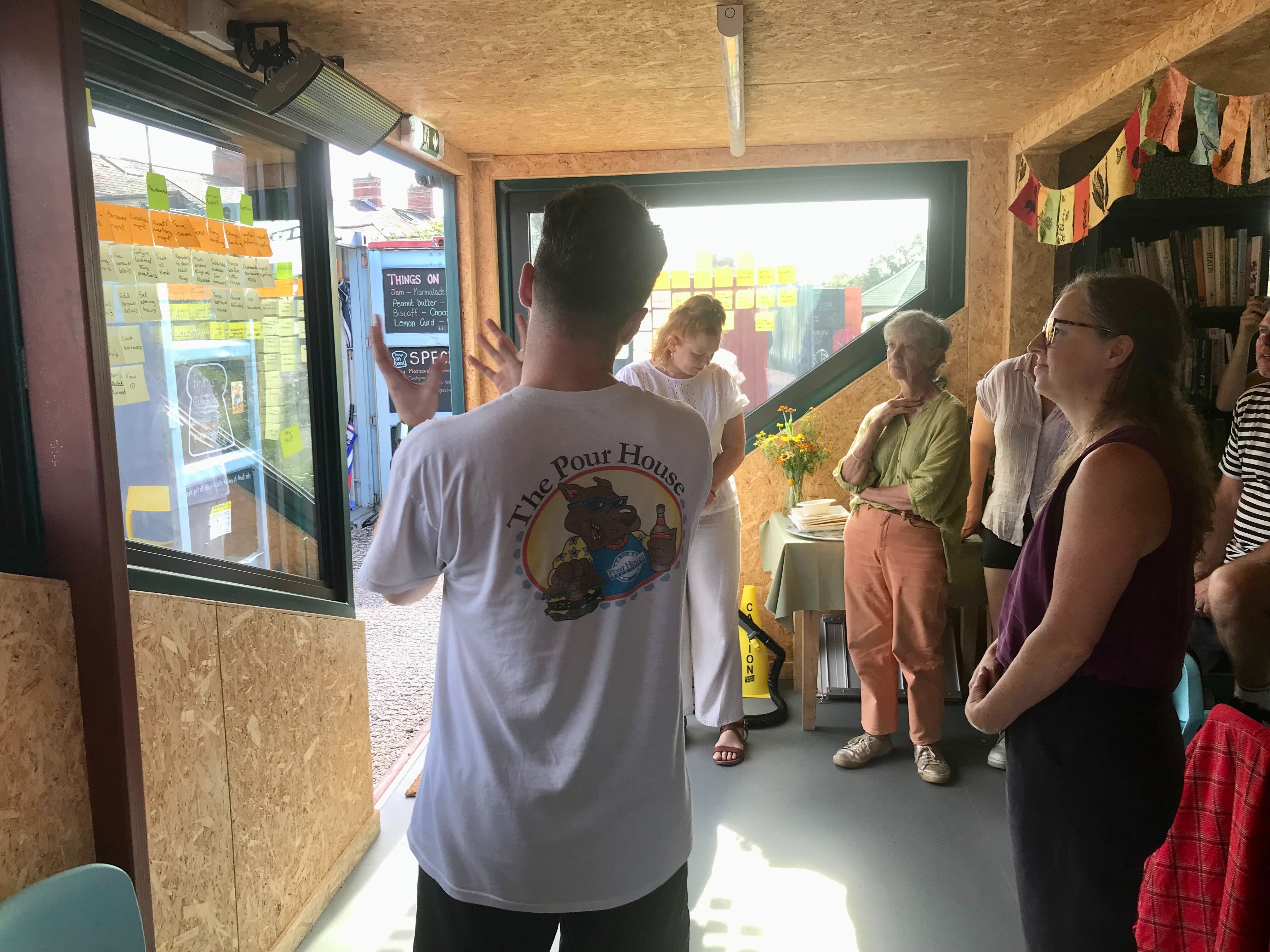
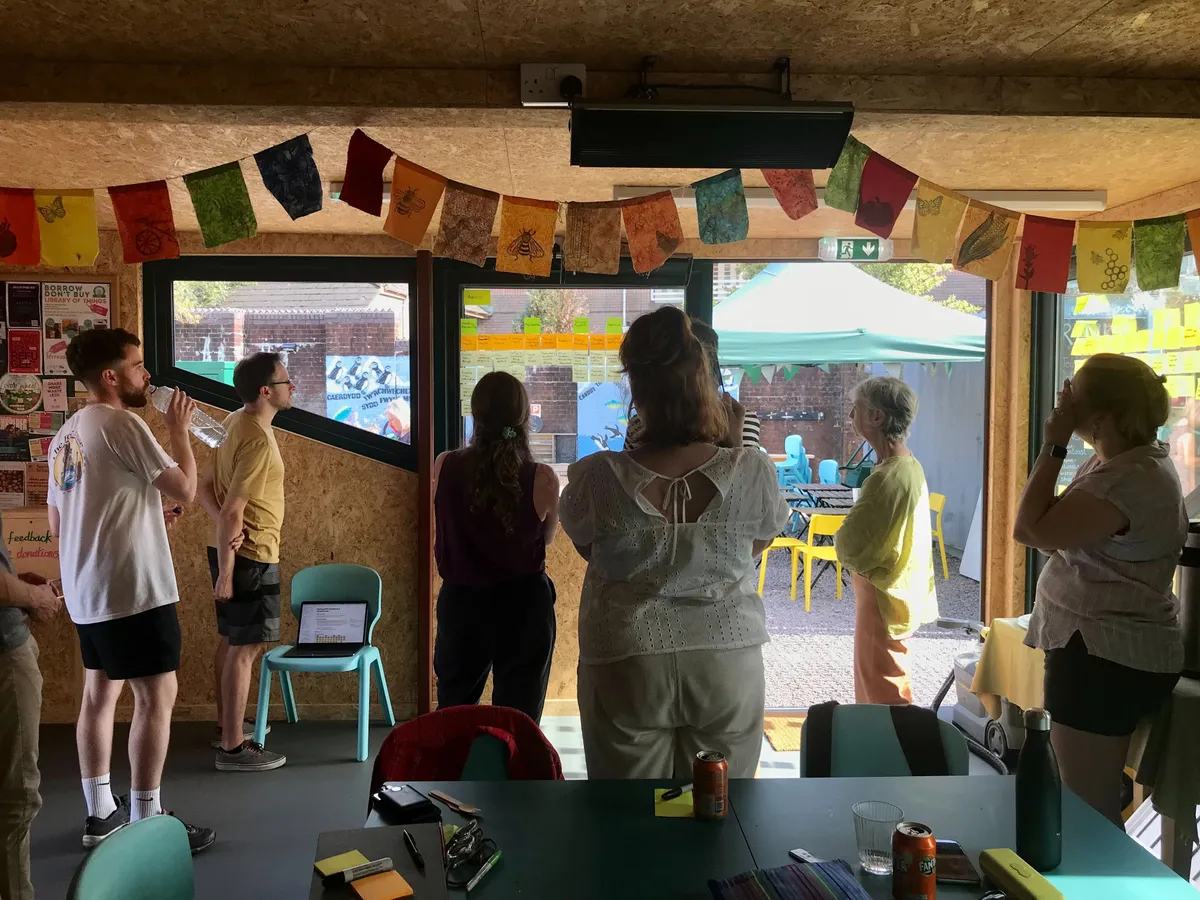
We ran two rounds of user story mapping with the Benthyg team to surface and prioritise their needs quickly - they required things like delivery reservations, cash payment support, and PAT Testing tracking on top of our existing feature set. From there, we did a structured gap analysis between what we had and what needed building, then planned the development across the first six months of the pilot.
Before launch we defined clear success criteria and used Benthyg team feedback and borrower satisfaction surveys to track them. Post-launch, I held regular cadence calls with the operating staff to capture what we'd missed and what needed fixing, folding them into our existing product planning process as a formal user group.
As new pilots came online in Barcelona and Walthamstow, we applied the same process - and deliberately prioritised features that were shared across multiple licensees (like translation to local language), so every build increased value for the whole network rather than serving one partner in isolation.